

How Proper Planning and Cleanup Can Cut Landfill Waste and Project Costs
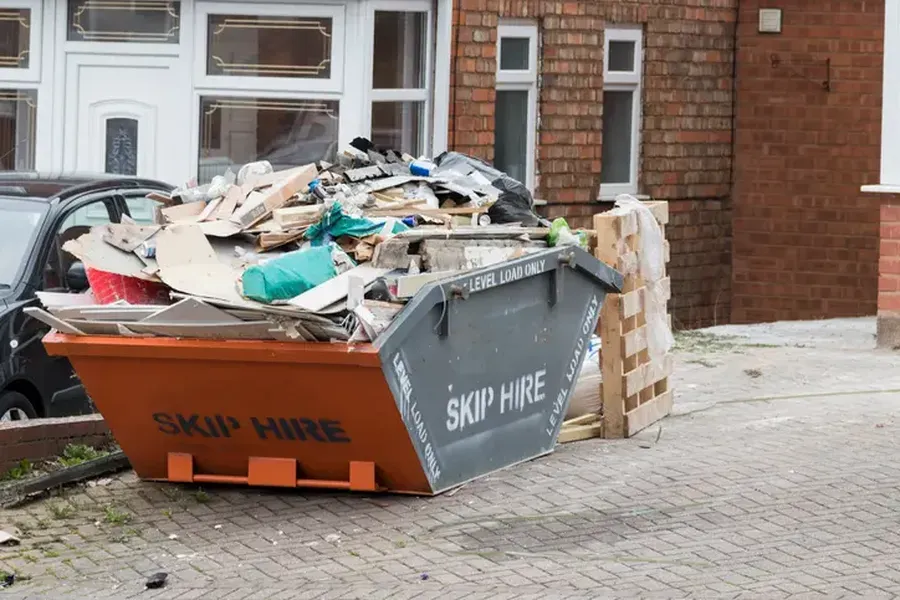
minimizing waste through construction debris removal services starts with a clear plan. When you sort, remove, and dispose of debris the right way, you send less material to the landfill and keep your job site safer. The right approach also helps you recycle more and lower hauling costs. Whether you are remodeling a kitchen or managing a full build, smart debris handling makes a big difference.
What You Need Before Starting
Before any work begins, think about the waste your project will create. Wood scraps, drywall, shingles, metal, and concrete all need different handling. Some can be reused or recycled. Others must be hauled away and dumped at approved sites.
You should also have:
- Clearly marked bins for different materials
- A safe area for stacking debris
- Access to a reliable construction debris removal service
- Knowledge of local disposal rules
Planning ahead keeps materials from getting mixed together. Once debris is mixed, it is harder to recycle and often ends up in a landfill.
Step-by-Step Process to Reduce Waste
Follow these steps to keep waste low during your project:
- Review your material list. Order only what you need to reduce excess.
- Set up separate piles for wood, metal, drywall, and concrete.
- Reuse materials when possible. Save extra lumber or bricks for future repairs.
- Break down large pieces to save space in containers.
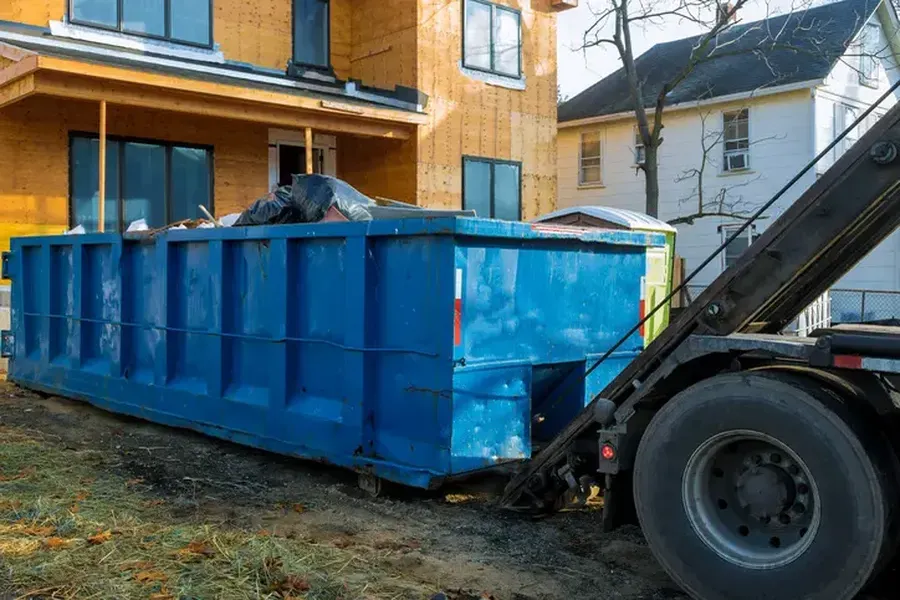
- Schedule regular construction debris removal pickups to avoid overflow.
This process keeps your site clean and organized. It also makes it easier for your debris removal provider to sort and transport materials for recycling.
Common Mistakes to Avoid
Many contractors and homeowners make simple mistakes that increase waste.
-
Throwing all debris into one dumpster
-
Waiting too long to schedule pickup
-
Over-ordering materials without measuring carefully
-
Ignoring local recycling options
When everything goes into one container, recyclable items often get buried under trash. That makes sorting harder and more expensive. Frequent construction debris removal keeps materials manageable and easier to process.
When to Call a Professional
Small DIY jobs may only need a single pickup. Larger renovations and new builds often need ongoing support. If debris starts piling up, blocking walkways, or creating hazards, it is time to call a professional.
A dedicated construction debris removal team knows how to:
-
Sort materials for recycling
-
Handle heavy or bulky items safely
-
Follow local disposal laws
-
Reduce landfill impact through better routing and planning
Working with a pro also saves you time. Instead of making multiple trips to a dump site, you can focus on completing the project.
Long-Term Benefits of Reducing Construction Waste
Keeping waste low does more than clean up your site. It can lower disposal fees and reduce environmental impact. Many materials from construction debris removal projects can be recycled into new products. Metal can be melted down. Concrete can be crushed and reused as base material. Clean wood can be turned into mulch or new boards.
Clients and property owners also notice when a site is tidy. A clean area shows care and attention to detail. That can help build trust and lead to repeat business.
Over time, small habits like accurate ordering, careful cutting, and scheduled pickups add up. You throw away less. You reuse more. You save money while helping the environment.
Get Reliable Help for Your Next Project
If you have a project coming up in Boise, ID, I can help you reduce waste and keep your site clean with dependable construction debris removal. At Dave's Junk and Debris Removal, I focus on safe hauling, responsible disposal, and organized service that fits your schedule. Call me at (208) 266-5993 to talk about your project and set up a debris removal plan that works for you.