

How to Prepare, What to Expect, and How to Avoid Common Problems
If you are planning appliance removal, a little prep work can save you time, stress, and extra costs. Before you book a pickup, you should know what items will be taken, how to get them ready, and what access the crew will need. It also helps to understand local rules for disposal and recycling. When you plan ahead, the whole process is faster and smoother.
What You Need Before Getting Started
Start by making a clear list of the appliances you want gone. This may include refrigerators, ovens, dishwashers, washing machines, dryers, or small units like microwaves. Knowing the size and type of each item helps avoid surprises on pickup day.
You should also check:
- Is the appliance empty and unplugged?
- Has water been drained from washers or dishwashers?
- Are there narrow doors, tight stairs, or gates?
- Do you need to move other items out of the way?
If you live in an apartment or condo, ask about elevator access or move-out rules. Some buildings require notice before large items are removed.
Step-by-Step Process to Schedule Appliance Removal
Booking appliance removal is simple when you follow clear steps.
- Identify all items you want removed.
- Measure large appliances and doorways if space is tight.
- Disconnect power, gas, or water lines safely.
- Clear a path from the appliance to the exit.
- Schedule a pickup time that works for you.
- Be present or arrange access during the appointment window.
If you are unsure how to disconnect a gas stove or built-in unit, hire a licensed technician first. Safety should always come first.
Common Mistakes to Avoid
Many people assume appliance removal is as simple as dragging an item to the curb. That can lead to damage or injury. Heavy appliances can scratch floors, dent walls, or cause back strain.
Here are mistakes people often make:
- Leaving food inside a refrigerator or freezer
- Forgetting to turn off water supply lines
- Not checking if doors need to be removed for clearance
- Blocking access with cars or storage boxes
- Waiting until moving day to schedule service
Another mistake is not asking what happens to the old unit. Some appliances can be recycled for metal or parts. Others must be disposed of in specific ways due to environmental rules.
When to Call a Professional
Some situations call for expert help. Large commercial units, built-in wall ovens, and refrigerators with water lines often need careful handling. If an appliance contains refrigerant, it must be managed properly under local guidelines.
You should also call a professional if:
- The item is extremely heavy or oversized
- You have limited mobility or health concerns
- There are multiple flights of stairs
- You need same-day or scheduled bulk pickup
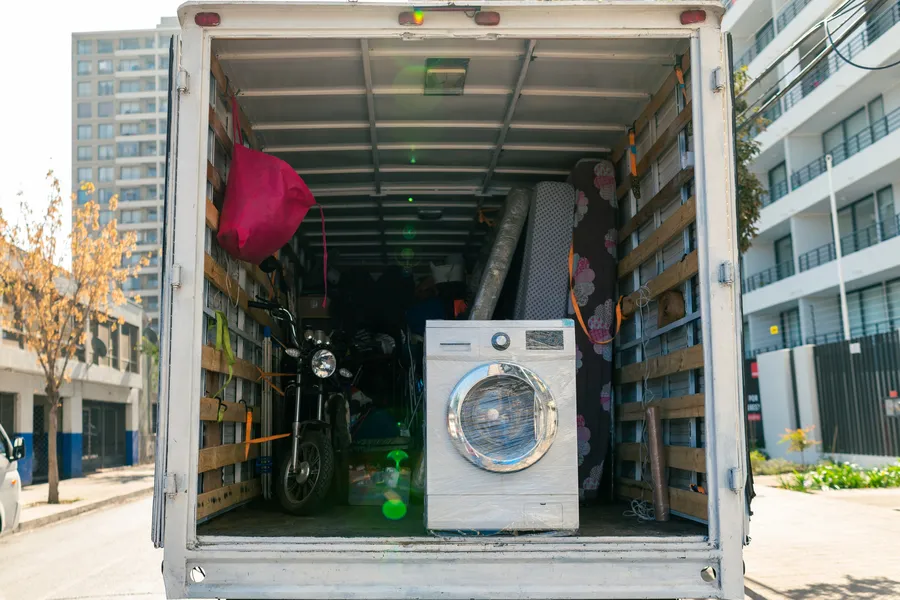
A professional appliance removal service brings the right tools, dollies, straps, and a truck built for hauling. This lowers the risk of damage to your home and keeps everyone safer.
Extra Tips for a Smoother Pickup Day
Try to defrost refrigerators and freezers at least 24 hours before pickup. Place towels around the base to catch melting ice. Wipe down appliances to remove spills or loose debris.
If you are replacing an old unit with a new one, plan the timing carefully. Have the old appliance removed either right before or soon after delivery. That way you are not stuck without a fridge or stove longer than needed.
Label the items clearly if you are removing more than one appliance. This avoids confusion about what stays and what goes.
Final Recommendation and Next Steps
If you are in Boise, ID and need dependable appliance removal, I can help make the process simple and stress free. At Dave's Junk and Debris Removal, I handle each job with care and show up ready to work. Call me at (208) 266-5993 to schedule your pickup or ask questions about your specific situation, and I will personally make sure your appliance removal is handled the right way.